3D Bear Shadow Box SVG: A Brand Review
As a brand designer and content marketer, I approach every graphic design asset with a critical eye. It is not just about aesthetics; it is about function, perception, and how well the visual communicates the brand’s core message. Recently, I evaluated the 3D Bear Shadow Box Svg for a potential client project involving a boutique gift shop launching a seasonal handmade collection. This review breaks down how this specific digital product performs in real-world marketing scenarios, from social media graphics to packaging design.
First Impressions and Emotional Tone
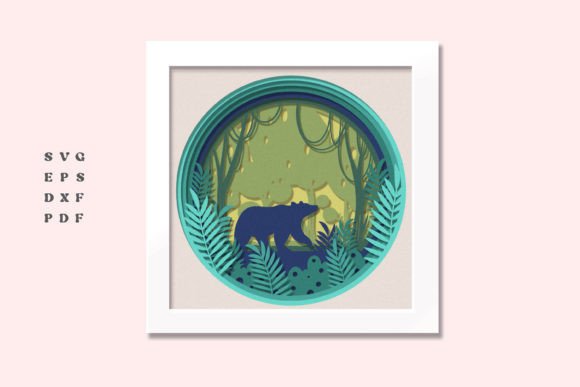
The immediate impact of the 3D Bear Shadow Box Svg is one of warmth and tactile craftsmanship. Unlike flat vector illustrations, this design leverages layering to create depth, mimicking the popular paper-cut art style. For brands focusing on handmade goods, lifestyle content, or cozy home decor, this mood is invaluable. It evokes nostalgia and comfort, which are powerful drivers for audience trust.
When considering brand identity, the emotional tone of an asset dictates its placement. This illustration feels suitable for casual branding, artisanal products, and event promotions. It does not scream "corporate efficiency," but rather whispers "careful curation." For a small business owner looking to differentiate their marketing visuals from the sterile stock photography dominating their niche, this asset offers a refreshing, organic alternative.
Strategic Applications in Marketing Campaigns
In my test campaign for the boutique client, I integrated the 3D Bear Shadow Box Svg across multiple touchpoints. The versatility of a well-constructed SVG design allows for seamless scaling without quality loss, making it ideal for both large-format prints and tiny digital icons.
- Social Media Graphics: I used the layered bear motif as a central element in Instagram posts. The depth created by the shadow box effect stops the scroll, providing a stronger first impression than flat graphics.
- Packaging Design: We applied the design to product labels and box inserts. The intricate layers suggest high value, enhancing the unboxing experience and reinforcing professional branding.
- Digital Ads: In Facebook and Pinterest ads, the clear visual hierarchy of the bear drawing the eye helped guide users toward the call-to-action button.
- Content Marketing: The asset served as a header image for blog posts about DIY gifts, aligning perfectly with the editorial design of the site.
For content creators and digital sellers, this type of creative design is a goldmine. It can be repurposed into a Canva template for clients, used as a decorative element in email banners, or even adapted for merchandise like stickers and tote bags. The key is consistency; using the same visual language across these platforms builds stronger recognition.
Enhancing Visual Hierarchy and Audience Trust
A common mistake in small business branding is clutter. Marketers often try to say too much, resulting in messy visuals that dilute the message. The 3D Bear Shadow Box Svg helps combat this by acting as a strong focal point. Because the design has inherent structure and balance, it anchors the layout. This allows text and other elements to breathe, improving readability and overall professional appearance.
When audiences see high-quality, cohesive design assets, they subconsciously attribute those qualities to the product itself. This psychological link boosts audience trust. If the visual looks premium and thoughtful, the customer assumes the product is too. This is crucial for online coaches and product creators who rely heavily on digital presence to convey value.
Where to Use It and Where to Pause
While versatile, this asset is not a universal fix. It works best in hero graphics, campaign headers, and promotional banners where emotion and engagement are the primary goals. It shines in modern design contexts that appreciate texture and dimension.
However, caution is needed in specific scenarios. Avoid using this detailed illustration in formal corporate branding where minimalism and authority are paramount. It may also struggle in dense information layouts or text-heavy ads, where it could compete with the main message. Additionally, on very small mobile graphics, the intricate layers of the shadow box effect might blur if not optimized correctly. Always test readability in small sizes.
Practical Designer Notes for Implementation
Before deploying the 3D Bear Shadow Box Svg in a paid campaign or client work, I recommend several technical checks. First, test the asset against your brand color palette. While the default layers are often neutral, recoloring them to match your logo design ensures seamless integration. Check how it looks in black and white to ensure contrast remains strong.
Second, preview the design on actual mobile screens. What looks crisp on a desktop monitor may lose definition on a smartphone. Third, consider typography pairing. This organic, layered style pairs beautifully with handwritten font styles or soft serif fonts, creating a harmonious aesthetic. It may clash with rigid, industrial sans serif fonts unless used ironically.
Finally, always confirm commercial licensing. Since this is a printable design intended for crafting and resale, understanding the rights is vital. You want to ensure you can use it in commercial design projects without legal hurdles. This includes using it in products you sell, such as physical shadow boxes or digital printables.
Final Verdict for Creative Entrepreneurs
The 3D Bear Shadow Box Svg is more than just a cute graphic; it is a strategic tool for enhancing visual content creation. For brand owners, marketers, and designers, it offers a way to inject personality and depth into campaigns that might otherwise feel flat. By supporting stronger visual hierarchy and emotional connection, it helps build memorable campaign visuals.
Whether you are preparing a design bundle for Etsy, creating social media graphics for a local cafe, or designing packaging for a new product line, this asset delivers professional results. Just remember to respect its limitations and integrate it thoughtfully into your broader brand identity. When used correctly, it transforms simple marketing materials into engaging stories that resonate with your audience.