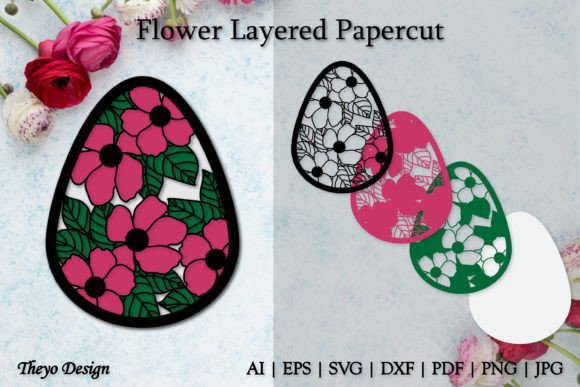
Flower 3D Layered Papercut SVG for Shapes
As a digital publisher who has spent years refining the visual identity of multiple content platforms, I have learned that the difference between a scroll-past and a click-through often lies in the subtleties of graphic design. Recently, I integrated the Flower 3D Layered Papercut SVG into my editorial workflow to test its viability beyond its intended craft use. While marketed primarily for physical cutting machines, this asset offers surprising versatility for web design and digital content creation.
My first impression was one of delicate sophistication. The layered depth creates an immediate sense of texture and dimensionality that flat vector graphics often lack. This graphic design asset exudes a mood that is simultaneously artistic, feminine, and modern. It does not scream for attention with loud colors; rather, it invites the viewer in with intricate details that suggest care and craftsmanship. For niches focused on lifestyle, wellness, creative entrepreneurship, or handmade goods, this aesthetic aligns perfectly with brand values centered on authenticity and beauty.
Elevating Editorial Design with Digital Layers
In the context of editorial design, consistency is key to building reader trust. I tested the Flower 3D Layered Papercut SVG across various touchpoints of a sample blog layout. When used as a subtle background element in a website header, it added visual interest without compromising the readability of the navigation menu. The organic curves of the flower provided a soft counterpoint to the rigid grid structure of standard web layouts, creating a more inviting user experience.
For article graphics, the asset proved invaluable. I placed it beside headline text to create custom featured images. The result was a polished, magazine-quality look that elevated the perceived value of the content. Whether paired with a classic serif font for an elegant feel or a clean sans serif for a modern twist, the design adapted seamlessly. This flexibility is crucial for maintaining a cohesive brand identity across different types of posts, from deep-dive tutorials to quick lifestyle tips.
Boosting Click-Through Rates on Social Platforms
Visual hierarchy plays a massive role in content marketing, particularly on crowded platforms like Pinterest and Instagram. I created several Pinterest pin templates using the Flower 3D Layered Papercut SVG as a framing device. The layered effect draws the eye toward the center of the image, where the call-to-action or title text resides. This natural focal point can significantly improve click-through potential by guiding the viewer’s gaze exactly where you want it.
Furthermore, the asset works exceptionally well for social media graphics that require a touch of elegance. Instead of relying on stock photography that may feel generic, using this unique vector allows for distinct small business branding. It helps your content stand out in feeds dominated by similar aesthetics. For affiliate marketers, adding this layer of professional design to product roundups or gift guides can enhance credibility, making recommendations feel more curated and trustworthy.
Practical Applications for Digital Products
Beyond blog posts, I explored how this digital download could enhance monetizable assets. For creators selling digital guides, eBooks, or worksheets, the cover design is the primary sales tool. Incorporating the Flower 3D Layered Papercut SVG into a Canva template for an eBook cover added a premium feel that justified a higher price point. It transforms a simple PDF into a desirable printable design resource.
Similarly, for newsletter creators, using the flower as a divider or header graphic in email campaigns can break up text-heavy content, improving readability and engagement. It serves as a visual breath of air, keeping subscribers interested throughout the message. As a lead magnet bonus, offering this SVG as part of a design bundle can increase the perceived value of your free offer, encouraging more sign-ups.
Where to Use It Carefully
While versatile, this asset is not a one-size-fits-all solution. In serious professional niches such as corporate finance, legal advice, or technical engineering, the decorative nature of the Flower 3D Layered Papercut SVG might detract from the authority of the content. It should be used sparingly, if at all, in these contexts. Additionally, avoid placing it over busy backgrounds or low-contrast areas where the intricate layers might become muddy and indistinguishable.
On mobile devices, small thumbnails can render fine details invisible. I recommend testing the asset at various sizes to ensure it remains impactful. If the layers blur together at smaller scales, consider simplifying the composition or using it only in larger hero sections. Always prioritize web design performance by compressing any rasterized versions of the SVG to maintain fast load times.
Publisher Notes for Implementation
To get the most out of this creative design tool, follow these practical steps:
- Test Contrast: Preview the asset against both light and dark backgrounds to ensure visibility.
- Font Pairing: Experiment with script fonts for a romantic vibe or bold display fonts for a modern contrast.
- Mobile Optimization: Check how the layers appear on smaller screens to avoid visual clutter.
- Licensing Check: Confirm the commercial license terms before using the asset in monetized products or client work.
- File Management: Keep the original ZIP file organized for easy access in future projects.
The Flower 3D Layered Papercut SVG is more than just a file for cutting machines; it is a versatile component for modern digital product creation. By understanding its strengths in creating depth and elegance, publishers and designers can leverage it to build stronger visual identities. Whether you are crafting a website header, designing a lead magnet, or curating affiliate marketing visuals, this asset provides the polish needed to compete in today’s saturated digital landscape. Embrace the layers, respect the details, and let your content bloom.