Review: Mom and Baby Boy 3D Shadow Box Design
As a designer who has spent countless hours digitizing and testing embroidery files, I have learned that not every pretty image translates well to thread. When I first encountered the Mom and Baby Boy 3D Shadow Box, my initial reaction was cautious curiosity. The concept of translating a layered paper-cutting aesthetic into a stitched format is ambitious. This design promises to capture the tender intimacy of motherhood through a multi-layered visual approach, but does it hold up under the needle? After reviewing the file structure and considering its application in real-world projects, I am ready to share my practical insights for fellow embroidery designers, Etsy sellers, and craft entrepreneurs.
First Impressions and Visual Mood
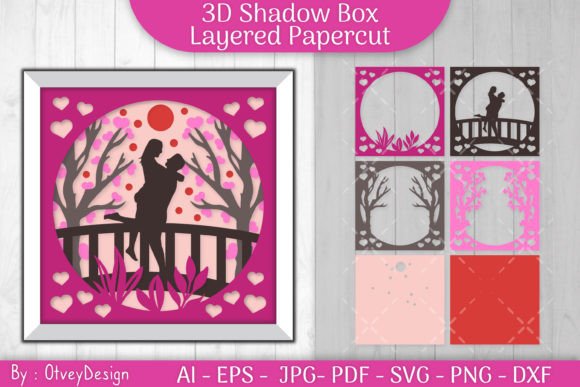
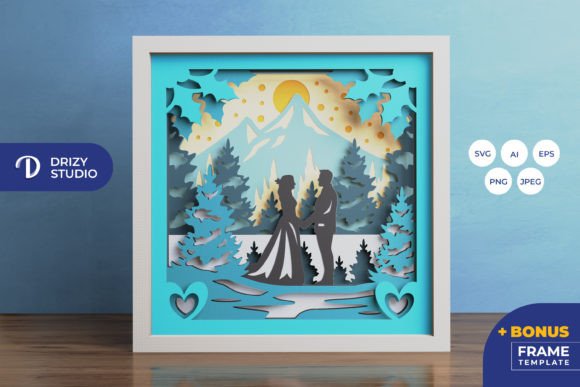
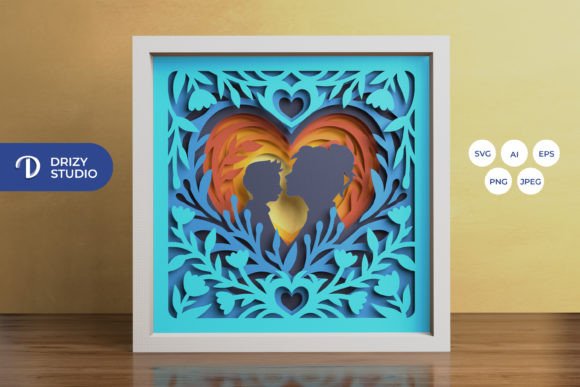
The Mom and Baby Boy 3D Shadow Box creates an immediate sense of warmth and nostalgia. Unlike traditional flat embroidery designs, this piece relies on the illusion of depth. The layout features a central figure of a mother holding her child, framed by what appears to be layered cutouts. For an embroidery project, this means we are dealing with a design that prioritizes silhouette and contrast over intricate internal detailing. The mood is soft, protective, and deeply sentimental, making it an ideal candidate for personalized gifts and nursery decor.
From a technical standpoint, the design mimics the look of a Shadow Boxes art piece. In embroidery terms, this often requires careful management of stitch types to create distinct "layers" without the threads blending into a muddy mess. The visual personality is clean and modern, avoiding the clutter that often plagues complex digital embroidery files. It feels contemporary enough for a boutique brand yet classic enough for a heirloom baby item.
Real-World Application and Product Fit
When evaluating a new machine embroidery design, I always ask myself: where will this actually sell? The Mom and Baby Boy 3D Shadow Box is versatile, but it shines brightest in specific contexts. I envision this design performing exceptionally well on tote bags and canvas aprons. The sturdy nature of these fabrics supports the density required to create the shadow effect, allowing the layers to stand out clearly against the background texture.
For apparel decorators, this design is a strong contender for sweatshirt embroidery. A chest-left placement on a high-quality hoodie or crewneck can create a subtle, meaningful statement piece. However, I would hesitate to place this on a standard t-shirt unless the garment is heavyweight. The design’s complexity might cause puckering on thin jersey knits, compromising the crisp lines essential for the 3D illusion. It is also a natural fit for embroidered patches, where the stabilizer backing provides the necessary rigidity to maintain the shape of the layered elements.
Small shop owners and Etsy sellers should consider this for holiday embroidery collections, particularly around Mother’s Day or during the winter gift season. The emotional resonance of the image drives buyer engagement, turning a simple textile item into a cherished keepsake. Whether used for a custom baby blanket or a decorative pillow cover, the design adds perceived value through its artistic composition.
Technical Considerations and Stitching Challenges
While the aesthetic is appealing, the execution requires attention to detail. The term 3D SVG in the product description suggests a vector-based origin, which is excellent for scalability, but embroidery machines operate on stitch data, not vectors. Therefore, the conversion from a layered paper template to a stitch file is critical. I recommend checking the stitch density carefully. If the "shadow" layers are too dense, they may pull the fabric; if too sparse, the underlying fabric color will show through, breaking the illusion of depth.
Thread color selection is paramount here. To achieve the shadow box effect, you need high contrast between the layers. Using monochromatic thread colors—such as varying shades of blue or gray—can enhance the 3D look, but only if the values are distinct enough. I advise testing the design in black and white mockups first to ensure the layers remain visible without color reliance. Additionally, pay close attention to small details. If the design includes tiny connecting bridges between layers, ensure they are wide enough to survive the stitching process without breaking.
Fabric texture plays a significant role in the final outcome. On textured fabrics like linen or wool, the fine details of the applique design or satin stitch borders may get lost. Smooth, tightly woven cottons or poly-blends are safer bets for maintaining clarity. For curved surfaces like caps, this design might be challenging due to its square, layered nature. The hoop size must be sufficient to accommodate the full width of the shadow box frame without distortion.
Designer Notes for Best Results
Before committing to a large production run or listing this as a premium product, follow these practical steps:
- Test on scrap fabric: Always stitch out a sample on the exact material you plan to use for the finished product. This reveals any tension issues or registration errors.
- Check stabilizer compatibility: Use a cut-away stabilizer for garments that will be washed frequently, ensuring the design remains stable over time. For decorative items, a tear-away may suffice.
- Verify license terms: The product description mentions receiving a template, but it is crucial to confirm whether the digital embroidery file includes commercial use rights. Never assume a file is licensed for resale without explicit confirmation.
- Inspect stitch types: Look for a mix of satin stitch for borders and fill stitch for larger areas. Running stitch should be used for tacking down layers if applicable. Avoid excessive density in small areas.
- Consider hoop size: Ensure your machine’s maximum hoop size can accommodate the design. If the design is large, you may need a multi-positioning technique, which increases the risk of misalignment.
Final Verdict for Craft Businesses
The Mom and Baby Boy 3D Shadow Box is a compelling addition to a designer’s library, provided it is used with intention. It offers a unique visual appeal that distinguishes it from standard clipart-style embroidery. For handmade product creators, it offers a way to elevate simple items into premium gifts. However, success depends on meticulous testing and appropriate fabric selection. By respecting the technical demands of the layered design, you can produce a finished product that delights customers and reinforces your brand’s reputation for quality. Always prioritize clarity and stability over speed, and this design will serve your craft business well.