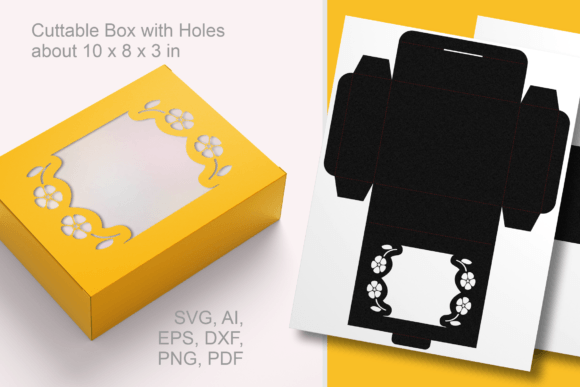
Review: Primroses Window Rectangular Favor Box
As a designer who has spent years digitizing patterns and testing them on everything from stiff denim to delicate silk, I approach every new machine embroidery design with a healthy dose of skepticism. We have all been there: you download a file that looks stunning in the preview software, only to find it turns into a tangled mess of thread breaks and puckering once it hits the fabric. That is why I took my time evaluating the Primroses Window Rectangular Favor Box. While the title suggests a paper-craft template, its application in our digital workflow offers unique insights for those of us creating physical goods.
The first impression of this design is one of structured elegance. It does not scream for attention with chaotic details; instead, it relies on clean lines and a balanced layout. For an embroidery project, this is often a blessing. Complex, overly dense designs can overwhelm small items, but the visual personality here feels restrained and professional. It creates a mood of refined simplicity, which is exactly what modern boutique customers are looking for. When I visualize this as part of a larger product line, I see it fitting seamlessly into brands that value minimalism and high-quality presentation.
Real-World Application Beyond the Hoop
You might wonder how a "favor box" template translates to textile work. The key lies in understanding the geometry. The rectangular structure and window elements provide a fantastic framework for applique design techniques. Imagine using this shape as a border or a central motif on a custom tote bag. The clean edges allow for precise satin stitch outlines that frame a contrasting fabric insert perfectly. I recently worked on a project for a client launching a line of organic baby items, and we needed a design that felt gender-neutral yet sophisticated. The structural clarity of this shape allowed us to create a patch that looked intentional and high-end, rather than cluttered.
For Etsy sellers and small shop product creators, versatility is currency. This design’s layout works exceptionally well for sweatshirt embroidery where you want a chest logo that stands out without feeling heavy. Because the design relies on strong geometric forms, it maintains its integrity even when scaled down for a pocket placement or scaled up for a back panel. It is not just about stitching; it is about how the finished product communicates value. A clean, well-executed geometric design signals professionalism. It tells the buyer that the maker cares about precision, which builds customer trust and enhances brand consistency.
Navigating Fabric and Stitch Challenges
However, no design is universal, and practical judgment is required. When working with textured fabrics like terry cloth or thick fleece, the fine details of any geometric pattern can get lost. If you plan to use this on a holiday embroidery project involving plush blankets, you must adjust your stitch density. A standard density might sink into the pile, making the lines appear fuzzy. In such cases, increasing the underlay or using a heavier weight stabilizer is non-negotiable. I always recommend testing on scrap fabric first. Do not assume the default settings will work for every material.
Curved surfaces present another challenge. If you are applying this to a cap or a rounded pillow cover, the rectangular nature of the design requires careful hooping. Distortion is the enemy of straight lines. I advise using a tear-away stabilizer for stable woven fabrics and a cut-away for stretchy knits to prevent the design from warping after washing. Also, pay close attention to the corners. Sharp angles in embroidery can lead to thread buildup or pulling if the machine does not slow down appropriately. Reviewing the stitch path in your software before loading the embroidery file can save you from frustrating reworks.
Color Theory and Visual Impact
The choice of thread colors will make or break this design. Because the structure is linear, high contrast is your friend. A dark thread on a light fabric, or vice versa, ensures the design pops. However, do not shy away from tonal variations for a more subtle, upscale look. For a personalized gift like a monogrammed apron, using a thread color that is only slightly darker than the fabric can create a sophisticated, embossed effect. This approach works particularly well for commercial embroidery where the branding needs to be present but not overpowering.
It is also worth considering how this design interacts with other elements. If you are combining it with text, ensure there is enough breathing room. Crowding a geometric shape with tiny lettering can reduce readability and increase the risk of thread breaks. Keep the typography simple and bold to match the strength of the rectangular form. This balance is crucial for maintaining the visual appeal and ensuring the finished product looks cohesive.
Practical Notes for the Digital Creator
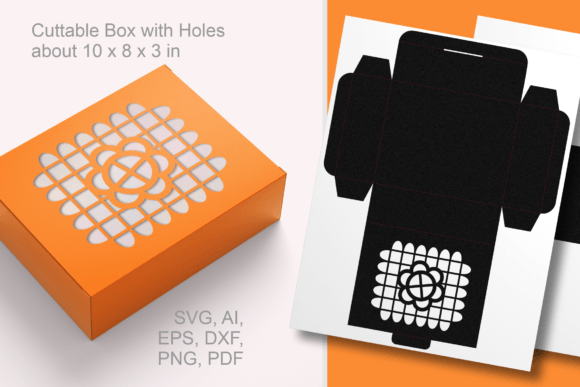
For those of us selling digital embroidery file assets or design assets, the licensing and format details are critical. The product description mentions it is a 3D SVG and falls under the Shapes category. This implies a vector-based origin, which is excellent for scalability in graphic design mockups. However, for machine embroidery, you need to confirm the specific stitch file formats compatible with your machines. Always check whether the license allows for commercial use of the stitched items. Some designers allow you to sell the physical handmade product but restrict the resale of the digital file itself.
Before listing this as part of your craft business inventory, create printable mockups to show potential buyers how it looks on different items. Show it on a tote bag design, a baby embroidery onesie, and a structured cap. This helps customers visualize the end result and increases buyer engagement. Remember, we are not just selling stitches; we are selling the potential for a beautiful object.
In conclusion, the Primroses Window Rectangular Favor Box offers a solid foundation for designers who appreciate structure and clarity. It is not a flashy, trend-chasing pattern, but a reliable tool for creating polished, professional-looking goods. Whether you are decorating custom apparel or creating unique embroidered patch designs, this shape holds up well under scrutiny. Just remember to respect the materials, test your tension, and let the clean lines speak for themselves. With the right preparation, it can become a staple in your repertoire of trusted designs.