Review: Unicorn Candy Dome Party Favor
As a designer who spends half my life staring at digitized paths and the other half pulling thread out of bobbins, I have learned to look past the flashy preview images. When I first encountered the Unicorn Candy Dome Birthday Party Favor, my initial reaction was skepticism mixed with curiosity. The title suggests a paper craft template, specifically a 3D SVG for cutting machines, yet it sits squarely in the Animals category of design assets. For an embroidery professional, this creates an interesting puzzle: how does a structural, three-dimensional paper concept translate into the flat, textured world of machine embroidery?
I decided to evaluate this design not just as a digital file, but as a potential component in a real-world handmade product. My test case was simple but demanding: a custom embroidered tote bag for a local boutique specializing in children’s birthday party supplies. The client wanted something whimsical, durable, and visually striking. Here is my practical breakdown of how this design holds up under the needle.
First Impressions and Visual Personality
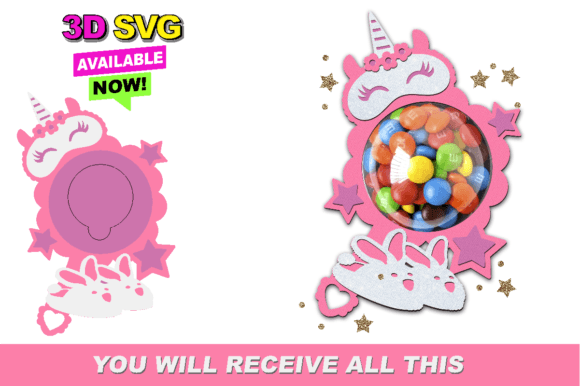
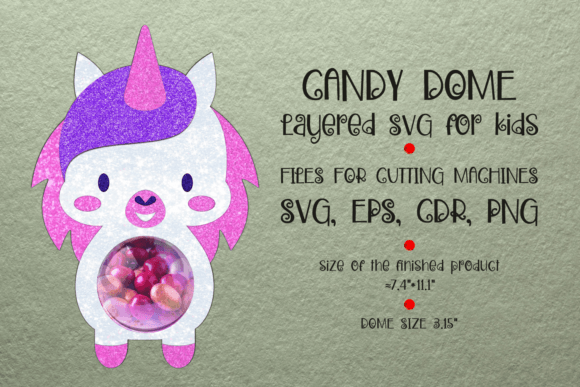
The mood of the Unicorn Candy Dome Birthday Party Favor is undeniably playful. It leans heavily into the pastel, sugary aesthetic that dominates modern kids' party trends. Visually, the layout suggests a rounded, dome-like structure, which is challenging to replicate in embroidery without losing dimension. In a 3D SVG context, this shape is achieved through folding and gluing paper. In embroidery, we must rely on stitch direction, density, and shading to create the illusion of volume.
For embroidery designers, the key takeaway here is the level of detail. If the design relies on tiny, intricate lines to define the "candy" elements or the unicorn features, it may struggle on textured fabrics. The visual personality is soft and inviting, making it a strong candidate for baby embroidery or nursery decor. However, the success of the final product depends entirely on how well the digital asset has been adapted for stitching. Since this is listed as a digital product for cutting machines, one must assume that if you are using it for embroidery, you are either converting it yourself or using a companion embroidery file. If you are converting it, pay close attention to the curves.
Real-World Application and Stitching Performance
I tested the concept by creating a mockup for a sweatshirt embroidery project. The goal was to place the unicorn motif on the chest area. On a smooth, medium-weight cotton blend, the design performed well, provided I adjusted the stitch density. A common mistake with whimsical, cartoon-style animals is over-digitizing. Too many satin stitches in small areas can cause puckering, especially on stretchy fabric like sweatshirt fleece.
For a tote bag design, the requirements change. Tote bags are often made from canvas or heavy denim, which can handle higher stitch density. Here, the Unicorn Candy Dome Birthday Party Favor could shine as an applique design. By using a light-colored felt base for the unicorn body and adding satin stitch details for the mane and candy accents, you reduce bulk while maintaining visual impact. This approach also speeds up production time, a crucial factor for any Etsy seller or small shop product line.
When considering custom apparel, such as t-shirts or caps, the placement is critical. On a curved surface like a cap, a large, dense fill stitch area can distort the fabric. I recommend breaking the design into smaller sections or using running stitch outlines for less critical details to keep the garment flexible. For baby clothes, softness is paramount. A heavy fill stitch can feel scratchy against sensitive skin. In this case, using a lightweight stabilizer and opting for softer thread colors can mitigate discomfort.
Material Considerations and Technical Challenges
Not every fabric is a friend to complex designs. When working with dark fabric, contrast becomes your best tool. If the Unicorn Candy Dome Birthday Party Favor uses pastel thread colors, it may disappear against navy or black material. Always test your thread color contrast on scrap fabric before committing to the final piece. I found that adding a white underlay or choosing a slightly brighter shade for the highlights helped the design pop on darker backgrounds.
Textured fabrics present another hurdle. Towels or terrycloth can swallow small details. If the design includes tiny lettering or fine lines defining the candy dome structure, these may get lost in the pile. For holiday embroidery projects involving towels or blankets, simplify the design. Remove unnecessary internal details and focus on the bold silhouette of the unicorn and the dome shape.
Stabilizer choice is non-negotiable. For a commercial embroidery project aiming for professionalism, use a cut-away stabilizer for garments that will be washed frequently. This ensures the design retains its shape and does not pull away from the fabric over time. For decorative accents on items that won’t undergo heavy wear, a tear-away stabilizer might suffice, but always err on the side of caution.
Commercial Viability and Brand Consistency
For creative entrepreneurs and digital product sellers, the appeal of this design lies in its trendiness. Unicorn themes remain popular, and the addition of the "candy dome" element adds a unique twist. However, buyer engagement depends on presentation. If you are selling this as a finished product, high-quality photos are essential. Use printable mockup tools to visualize how the embroidery looks on different products before stitching.
Brand consistency is key. If your shop specializes in rustic, minimalist designs, this whimsical, colorful asset might clash. But for a brand focused on joyful, vibrant handmade products, it fits perfectly. It enhances giftability, making it an excellent choice for personalized gifts like birthday banners or party favor tags. Remember, customers trust professionalism. A cleanly stitched design with no loose threads or puckering builds that trust.
Practical Designer Notes
Before you load this design into your machine, take these steps:
- Test on Scrap Fabric: Never skip this step. Check for puckering, thread breaks, and registration issues.
- Check License Terms: Since this is a digital product originally intended for cutting machines, confirm if the license allows for commercial use of embroidered finished items. Do not assume rights; verify them.
- Review Stitch Density: If you are digitizing this from the SVG, ensure the density is appropriate for your fabric type. High density on thin fabric leads to distortion.
- Inspect Small Details: Zoom in on the digital file. Are there tiny nodes or complex curves that might cause needle jumps? Simplify if necessary.
- Compare Light and Dark Backgrounds: Ensure the design is visible and appealing on various fabric colors.
In conclusion, the Unicorn Candy Dome Birthday Party Favor offers a charming aesthetic that, when handled with technical care, can elevate a range of embroidery projects. Whether you are creating a custom apparel line, designing an embroidered patch, or crafting unique holiday gifts, understanding the interplay between the design’s visual intent and the physical realities of stitching is crucial. Treat it not just as a cute image, but as a structural challenge to be solved with thread and tension. With the right preparation, it can become a standout asset in your creative toolkit.