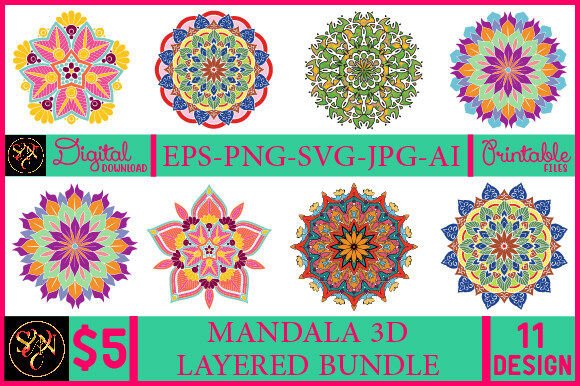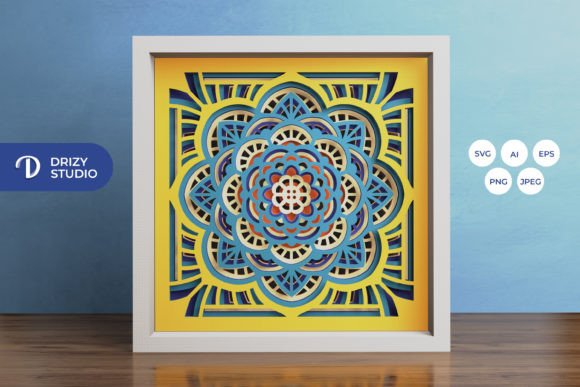
Reviewing the Flower Mandala 3D Layered Paper Cut
As a designer who has spent years translating digital concepts into thread, I approach every new machine embroidery design with a mix of curiosity and skepticism. We have all seen files that look stunning on a screen but turn into a tangled mess of thread breaks and puckering on fabric. When I first opened the Flower Mandala 3D Layered Paper Cut, my initial reaction was not just about aesthetics, but about structural integrity. This is not merely a flat graphic; it is a complex arrangement intended to mimic the depth of shadow box art, which presents unique challenges and opportunities for the serious crafter.
First Impressions: Depth Without Density
The visual personality of this embroidery file is immediately striking. It captures the trendy aesthetic of layered paper cutting, a style that has dominated social media and boutique decor for the last few years. The mood it creates is one of intricate calm—perfect for mindfulness-themed projects or high-end home decor. What stands out most is how the design manages to suggest three-dimensionality through layering rather than relying solely on heavy satin stitches. For an experienced eye, this is promising. Heavy satin columns can often lead to registration issues on stretchy fabrics, but a design that utilizes varied stitch types to create depth suggests a more thoughtful approach to digitizing.
However, the term "3D" in embroidery usually implies either physical puff foam or clever shading. In this case, the Flower Mandala 3D Layered Paper Cut relies on the latter. The layout is square, which is somewhat unusual for traditional circular mandalas, making it inherently suitable for specific applications like pillow covers, tote bag panels, or framed textile art. This geometric constraint actually works in its favor for modern craft business owners looking to create items that fit neatly into standard packaging or display grids.
Real-World Application: The Tote Bag Test
To truly evaluate a design, you must imagine it on a finished product. I recently considered using this motif for a custom line of canvas tote bags for a local botanical garden fundraiser. The goal was to create a personalized gift that felt premium but remained durable. Here is where the practical judgment comes in. A mandala with fine details can easily get lost on textured canvas if the stitch density is too low, or it can become stiff and board-like if the density is too high.
If you are planning to use this as a tote bag design, you must pay close attention to the background fill. Does the design include a solid backing, or is it meant to float on the fabric? For a tote, a floating design on natural cotton canvas looks elegant and breathable. However, if the stitch density in the central flower elements is too high, the bag may pucker around the hoop area. I recommend testing this on a scrap piece of your exact fabric weight before committing to a full production run. The interplay between the thread colors and the natural beige of unbleached cotton would likely yield a sophisticated, earthy result, whereas bright white thread on dark denim could offer a striking contrast for a streetwear-inspired sweatshirt embroidery project.
Navigating Fabric and Hoop Constraints
Not every surface is friendly to intricate Graphics like this. While the Flower Mandala 3D Layered Paper Cut is versatile, it demands respect regarding placement. On curved surfaces like caps or hats, the square format might require significant adjustment or might simply be too large for standard front-panel hoops without distorting the curvature. Similarly, on thin, stretchy fabrics like jersey t-shirts, this design requires a robust cut-away stabilizer. Without it, the weight of the thread could cause the garment to sag over time, ruining the silhouette of the custom apparel.
For those interested in creating an embroidered patch, this design is an excellent candidate. The layered look translates beautifully to twill or felt backings, allowing you to merge multiple thread shades to enhance the shadow effect. However, be mindful of tiny details. If the inner layers of the mandala rely on very short running stitch outlines, they may not hold up well to frequent washing unless properly secured with a top stabilizer during stitching. Always inspect the smallest elements in your embroidery software before hitting start.
Commercial Viability and Brand Consistency
For Etsy sellers and small shop owners, the perceived value of a product is heavily influenced by the complexity of the design. Customers often equate intricate stitching with higher quality and effort. The Flower Mandala 3D Layered Paper Cut offers that "wow" factor that can justify a higher price point for handmade product listings. It fits seamlessly into niches such as yoga studios, wellness brands, or bohemian home decor shops.
When creating printable mockup assets for your online store, ensure that the digital representation matches the stitched reality. Use high-resolution photos of test stitches to build trust. Buyers of digital embroidery file products also look for clarity in instructions. Since this is categorized under Crafts and involves a layered concept, clear guidance on color changes is vital. If the design requires multiple stops for color swaps, make sure your machine’s sequence aligns with the logical layering of the paper-cut effect to maintain the illusion of depth.
Practical Designer Notes
Before you integrate this into your workflow, consider these critical steps:
- Test on Scrap Fabric: Never skip this. Stitch the design on the same material and weight you intend to use for the final finished product.
- Check Thread Contrast: The 3D effect relies on subtle shifts in tone. Use a monochromatic palette with varying shades of the same color to maximize the depth illusion, or use high-contrast colors if you want a bold, graphic look.
- Verify Licensing: The product description mentions it is a template for a shadow box, but ensure you have the rights to use the digital embroidery file for commercial sales if you plan to sell physical items.
- Stabilizer Selection: For dense areas, use a medium-weight cut-away. For lighter fabrics, a tear-away with a top sheet of water-soluble film can prevent sinking.
- Hoop Size Confirmation: Confirm the maximum dimensions of the design against your machine’s largest hoop to ensure it fits without resizing, which can distort stitch density.
In conclusion, the Flower Mandala 3D Layered Paper Cut is a compelling asset for designers who understand the nuances of thread behavior. It is not a plug-and-play solution for every fabric type, but with careful preparation, it can elevate a simple holiday embroidery gift or a boutique small shop product into a standout piece. Treat it with the precision it deserves, and it will reward you with a professional, high-value result.